Introduction to the Transportation Program
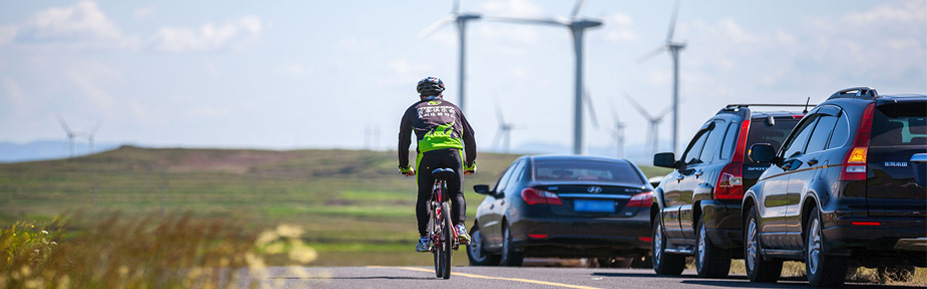
China has become the World’s biggest auto market in terms of total vehicle sales and car ownership. Aviation, railways, and shipping also grow very rapidly along with China’s impressive economic expansion and social development. However, it also raises the concerns that the accelerated development of transportation may bring significant challenges to air quality, human health, and the ambitious goals of early carbon peaking and neutrality at both national and subnational/local levels in China, if no effective and timely interventions are put in place. China is a global leader in zero-emissions transport. Full electrification of the sector provides a holistic solution to challenges from both air pollution and climate change, and is a key driver for breakthroughs in areas such as smart cities and clean energy that will sustain decarbonized economic growth. New regulations, standards, oversight tools, and supporting policies, with strengthened implementation and compliance, are needed to cut emissions from both road and non-road mobile sources, in China’s transition to zero-carbon transportation.
Program Strategy B Overview Program Strategy A Overview
The Overarching Goal:
The Transportation Program aims at establishing an advanced, efficient, and structurally optimized clean transportation system in China that will help improve air quality, achieve early carbon peaking and neutrality, and identify best practices for the global fight against climate change. We support analysis and education for the development and implementation of more stringent emissions and fuel economy regulations and standards, and of their fiscal and financial incentive policies, at both national and subnational/local levels.
Program Initiatives:
- Reduce fuel consumption and air pollutant emissions from vehicles, and eventually achieve the goal of zero emissions through advanced vehicle technologies;
- Facilitate accelerated transition toward zero emissions of non-road mobile sources, including helping develop and implement emissions and fuel economy policies for such sources;
- Establish clean, efficient, and sustainable inter-city passenger transport and freight systems, while also tackle climate challenges from international aviation and shipping;
- Guide the construction of inclusive, clean, and sustainable transportation systems that fit in with different cities; and
- Explore innovative solutions such as autonomous driving, ride sharing, and big data application, and coordinate smart transportation, smart energy, and smart cities in the future.


