
Introduction to the Low Carbon Cities Program
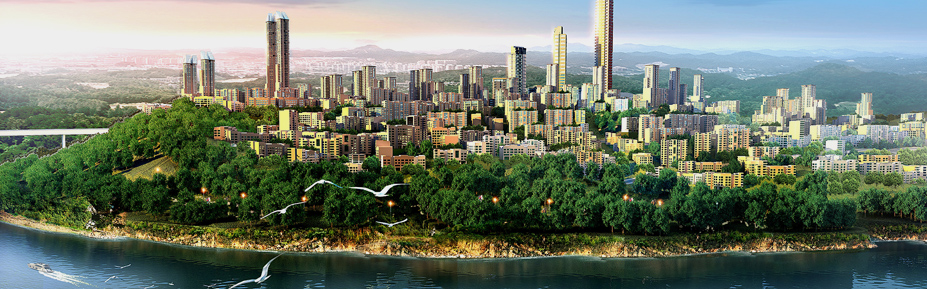
Cities play a central role in reducing greenhouse gas emissions. While they produce a majority of global emissions, they also offer unique opportunities to improve efficiency through urban density, coordinated planning, and large-scale deployment of low-carbon solutions. In China, urban areas account for over 75% of total CO₂ emissions, and this share may continue to grow. By 2050, ongoing urbanization is expected to add 200 to 300 million new urban residents, driving massive investments in urban infrastructure and industries. These investments will shape cities' long-term emissions trajectories for decades.
Through research and engagement, the Low Carbon Cities Program develops science-based decarbonization pathways to inform urban planning and infrastructure development. By promoting low-carbon urban infrastructure as a key lever for transition, the program informs and encourages cities to accelerate carbon peaking and neutrality.

